
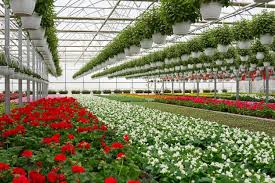
Crops are vulnerable to unpredictable weather conditions, pests, and diseases, which can affect both yield and quality. A greenhouse provides a controlled environment that shields plants from harsh weather, such as heavy rain, strong winds, and extreme temperatures. By offering a stable climate, greenhouses enable farmers and gardeners to cultivate crops more efficiently and protect their investments. This protection ensures consistent growth and healthier produce, contributing to better harvests and reduced losses.
How Does a Greenhouse Shield Crops from Weather?
Greenhouses are designed with materials like glass or polycarbonate panels that create a protective barrier around plants. This structure helps maintain optimal temperature and humidity levels while preventing exposure to damaging elements like frost or hail. In colder climates, greenhouses trap heat from the sun, allowing crops to thrive even in winter months. Conversely, ventilation systems can prevent overheating during hot weather. By regulating these environmental factors, greenhouses support strong plant development and reliable crop production.
What Are the Benefits of Using a Greenhouse?
Greenhouses offer numerous advantages for both commercial and home growers. First, they extend the growing season, allowing crops to mature earlier or later than outdoor conditions would permit. Second, they reduce the impact of pests and diseases by creating a controlled environment that is easier to monitor and manage. Third, greenhouses improve crop quality, as plants experience less stress from weather fluctuations. Additionally, using a greenhouse can increase yield efficiency, allowing farmers to produce more in a smaller area while maintaining consistent quality.
Why Is Pest Management Easier in a Greenhouse?
Pests are a common challenge for crops grown outdoors, often leading to significant damage. In a greenhouse, physical barriers such as screens and nets help prevent insects and rodents from reaching plants. Integrated pest management techniques, like introducing beneficial insects or monitoring pest activity, are easier to implement in a controlled space. This reduces the need for chemical pesticides and supports healthier, more sustainable crop production. By minimizing pest damage, greenhouses protect both plant health and overall yield.
How Does a Greenhouse Improve Crop Quality and Growth?
The stable environment of a greenhouse allows plants to grow without interruptions caused by extreme weather or pest infestations. Consistent temperature, humidity, and light exposure promote uniform growth and stronger plants. Farmers can also optimize soil conditions, water delivery, and nutrient availability to match the specific needs of each crop. This level of control results in higher-quality produce, better flavor, and improved shelf life. For commercial growers, this translates into more marketable products and increased profitability.
What Role Do Greenhouses Play in Sustainable Agriculture?
Greenhouses support sustainable farming practices by enabling efficient use of resources. Controlled irrigation reduces water waste, and precise nutrient management minimizes fertilizer runoff. By protecting crops from pests and disease, greenhouses can lower reliance on chemical pesticides, contributing to environmentally friendly farming. Additionally, greenhouses allow for year-round production without overusing land, helping meet food demand while preserving natural ecosystems.
Why Should Farmers Consider Investing in a Greenhouse?
Investing in a greenhouse provides long-term benefits by safeguarding crops and increasing productivity. It reduces the risk of crop failure due to weather or pests, enhances quality, and allows for extended growing periods. For commercial farmers, this investment can improve profitability and market competitiveness. For hobbyists or small-scale growers, greenhouses offer the ability to cultivate diverse crops and enjoy reliable harvests regardless of outdoor conditions.
In conclusion, a greenhouse is a vital tool for protecting crops from weather and pests. By providing a controlled environment, it ensures consistent growth, high-quality produce, and efficient resource use. Greenhouses support sustainable agriculture, reduce risks, and enhance productivity, making them an essential investment for anyone committed to successful and resilient crop cultivation.



More Stories
lowes military discount rewarding military service with everyday store discounts
Proprietary trading allowing traders to use firm capital and advanced tools to execute financial strategies
Stay Vaping Longer with Lost Mary’s High-Capacity Pods